


Muzeul Theodor Pallady
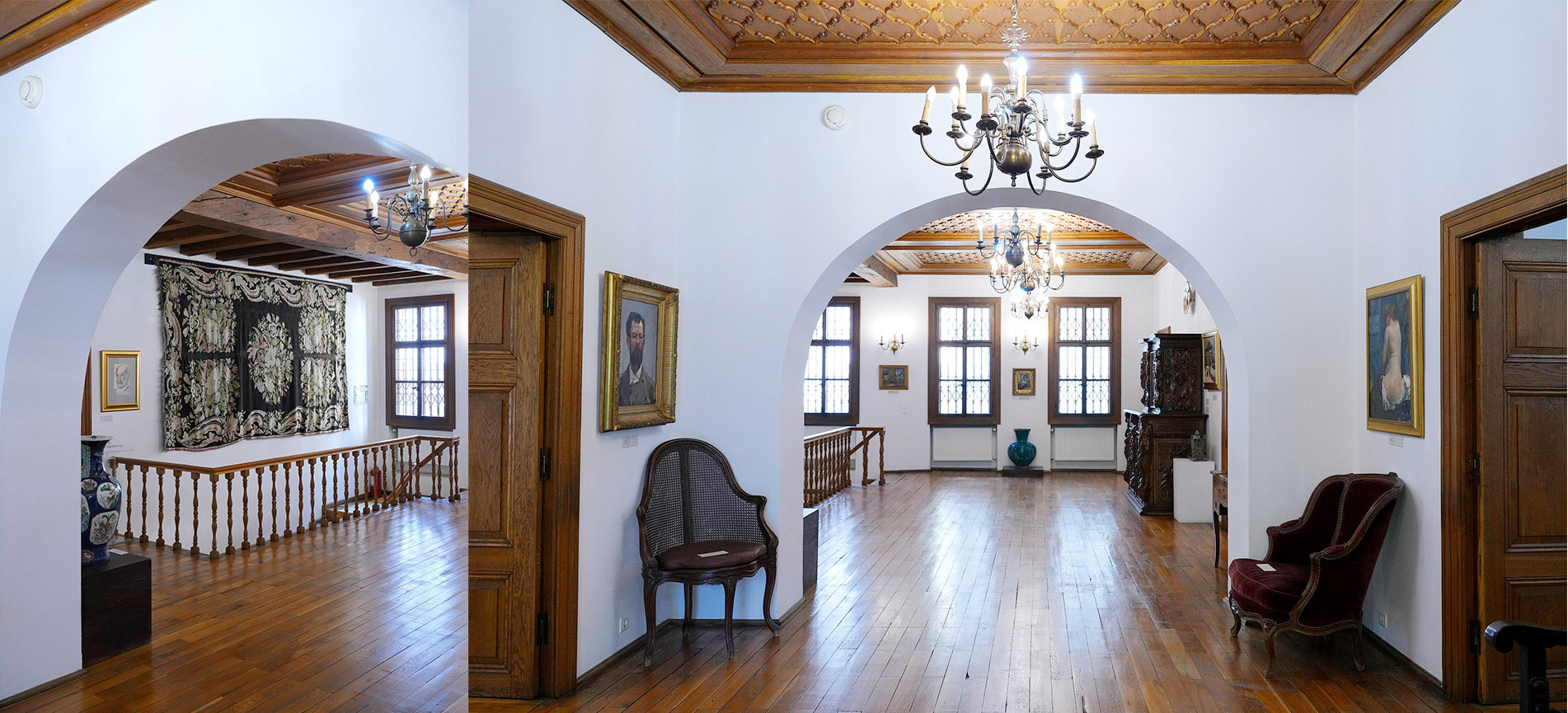
Muzeul Theodor Pallady adăposteşte colecţia soţilor Serafina şi Gheorghe Răut. Aceasta conține un nucleu substanțial de pânze semnate de Theodor Pallady şi peste 800 de desene şi gravuri din perioada sa pariziană. Ele au fost donate de soții Răut Statului român la sfârşitul anilor ‘60, împreună cu propria colecţie de artă - picturi de școală franceză, olandeză, engleză și spaniolă din secolele XVI-XIX, sculptură mică antică și renascentistă, textile, piese de mobilier, ceramică orientală şi alte obiecte de artă decorativă. Întregul ansamblu este reprezentativ pentru modul în care intelectualii români din perioada interbelică emulau preocupările colecționarilor de pretutindeni.
Clădirea în care funcționează muzeul, cunoscută și drept Casa Melik, construită în a doua jumătate a secolului XVIII, este una dintre cele mai vechi şi frumoase case negustorești din Bucureşti și singura deschisă publicului. Casa poartă numele celui mai important proprietar al ei, Iacob Melik, un susţinător al acţiunilor revoluţionare de la 1848 şi autor al lucrării L’Orient devant L’Occident. Lui i se datorează renovarea casei în a doua jumătate a secolului XIX și păstrarea unor elemente tradiționale cum ar fi cerdacul de la etaj, scara interioară din lemn și acoperişul cu streaşină lată.
Str. Spătarului nr. 22
Program de vizitare: miercuri-vineri, orele 10-18, sâmbătă-duminică 11-19, luni și marți închis. Prima miercuri din lună intrarea gratuită.
Închis: luni, marţi, 1, 2, 24 ianuarie, Sărbătorile Pascale, prima şi a doua zi de Rusalii, 1 Mai, 15 august, 30 noiembrie, 1, 25 şi 26 decembrie.
Facebook: Muzeul Theodor Pallady


