Accessibility Tools

Visiting hours:
The National Museum of Art of Romania
, the Theodor Pallady Museum and the K. H. Zambaccian Museum can be visited: Wednesday-Friday 10am-6pm
Saturday-Sunday 11am-7pm, Monday and Tuesday closed. Free entry on the first Wednesday of the month.
The Art Collections Museum: Monday, Tuesday and Friday, 10am-6pm, Saturday and Sunday 11am-7pm, closed Wednesday and Thursday. Free entry on the first Tuesday of the month.
Last entrance: 1 hour before closing for The National Museum of Art of Romania and the Art Collections Museum and 30 minutes for the Theodor Pallady Museum, the K. H. Zambaccian Museum and the temporary exhibitions.
For guided tours, please make a reservation at secretariat@art.museum.ro at least 7 days in advance.
For visits to our museum without guided tours there is no reservation necessary.

Starting with February 4, 2026, the Theodor Pallady Museum is temporarily closed for reorganization and renovation works.

The National Museum of Art of Romania

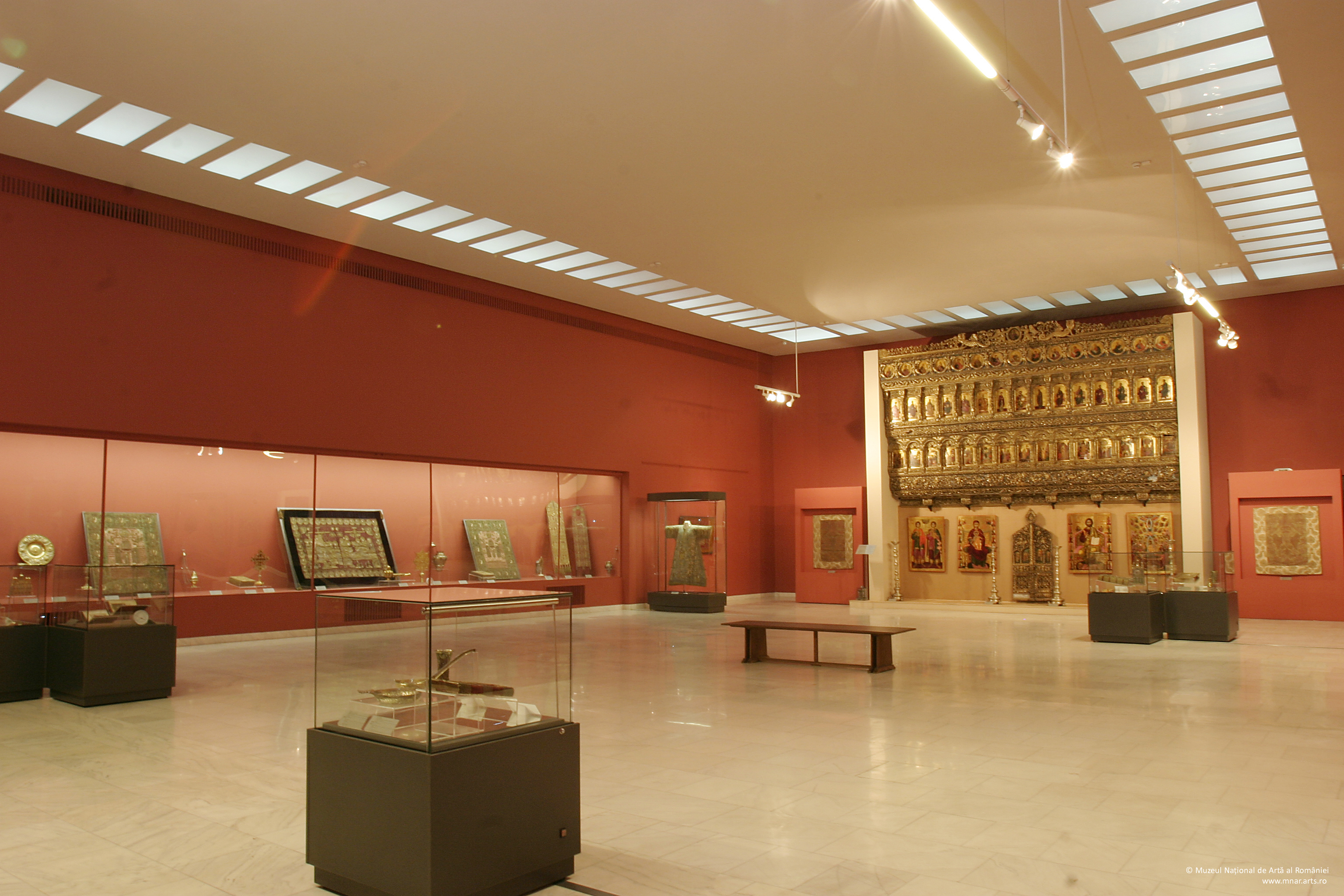
The Romanian Medieval Art Gallery features the most comprehensive and complex museum presentation of art and culture in the Romanian Principalities from the fourteenth to the mid-nineteenth century. The display comprises hundreds of icons, mural paintings, embroideries, manuscripts, books, silverware, jewelry, ceramics, woodcarving and sculpture which offer visitors the unique opportunity to follow local Byzantine and post-Byzantine tradition and its peculiar interplay with Eastern and Western influences.

The gallery’s holdings rely primarily on collections acquired and organized following the unification of Wallachia and Moldavia in 1857. Other items originate in collections set up in the inter-war period (such as the Al. Saint Georges and Anastasie and Elena Simu museums) and in the partial restitution by the Soviet Union of Romania’s Treasure in 1956. More recently, archaeological excavations and the safeguarding of fragments from monasteries and churches demolished in the 1970s and 1980s (such as Cotroceni and Văcăreşti in Bucharest) have provided another source for the gallery’s growth.

A Treasury section comprises secular as well as religious gold and silverware items while the Lapidarium at the Art Collections Museum (Calea Victoriei nr. 111) shows stone-carved decorative architectural elements from long-disappeared historical monuments.


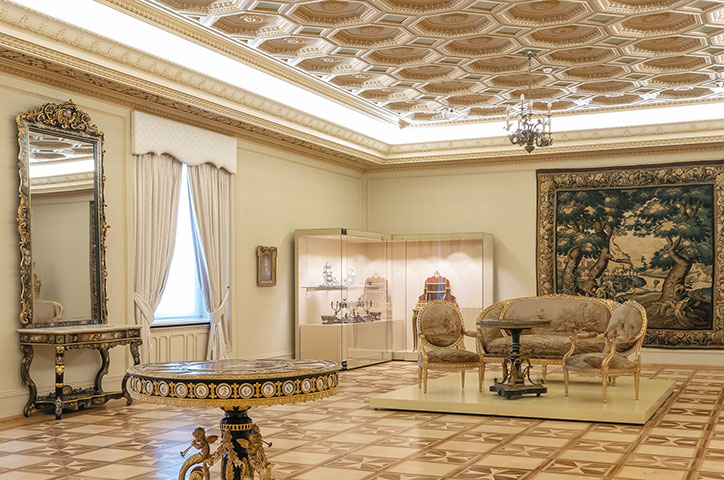
The European Decorative Art Gallery

The European Decorative Art Gallery

Divided into six rooms, illustrates four centuries of the history of taste and refinement, of European innovations, manufactures and craftsmen from Austria, Belgium, Czech Republic, Switzerland, France, Germany, Italy, Holland, Spain, Russia of the 16th-19th centuries and completes the museum's permanent collections, together with the European Art Gallery and the National Gallery.

EXHIBITION

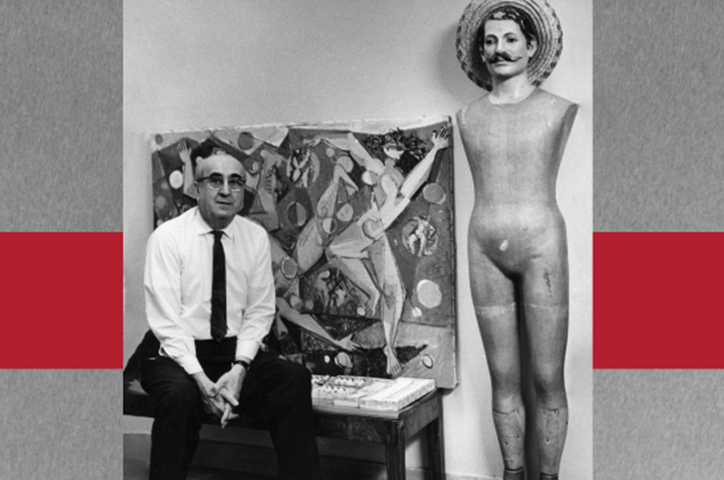
EXHIBITION "M.H. MAXY - FROM AVANT-GARDE TO SOCIALISM"

Curated by Călin Stegerean, the general director of MNAR.

The Art Collections Museum

The Art Collections Museum

Inaugurated in 1978 as a Department of the National Museum of Art of Romania, the Art Collections Museum showcases artistic interests that prevailed in Romanian society from the early 20th century onward. Over 30 collections on permanent display incorporate a variety of art pieces and collectibles, ranging from Romanian and European fine and decorative arts to Oriental art. Donated over nearly a century by both collectors and artists, they bear witness to their owners’ taste and economic power, their leaning toward famous names or contemporary art, as well as to the artists’ particular interests, surroundings, and daily studio practice. Works by well-known Romanian painters such as Theodor Aman, Nicolae Grigorescu, Ioan Andreescu, Nicolae Tonitza, Gheorghe Petraşcu, Theodor Pallady, Lucian Grigorescu, Iosif Iser, Camil Ressu, Francisc Şirato, Alexandru Ciucurencu, Dimitrie Ghiaţă are exhibited alongside European and Japanese prints and drawings, French furniture, Oriental carpets, and folk icons from Transylvania. This unique museum is hosted by the former Romanit palace. The building, an example of modern Bucharest architecture, was recently restored and refurbished. Wherever possible, displays suggest the original layout and atmosphere of individual collections.

Facebook Page

Acest site folosește cookies

Folosim module cookie pentru a vă pune la dispoziție caracteristici de social media și pentru a analiza traficul. Navigând în continuare, vă exprimați acordul asupra folosirii acestora.